
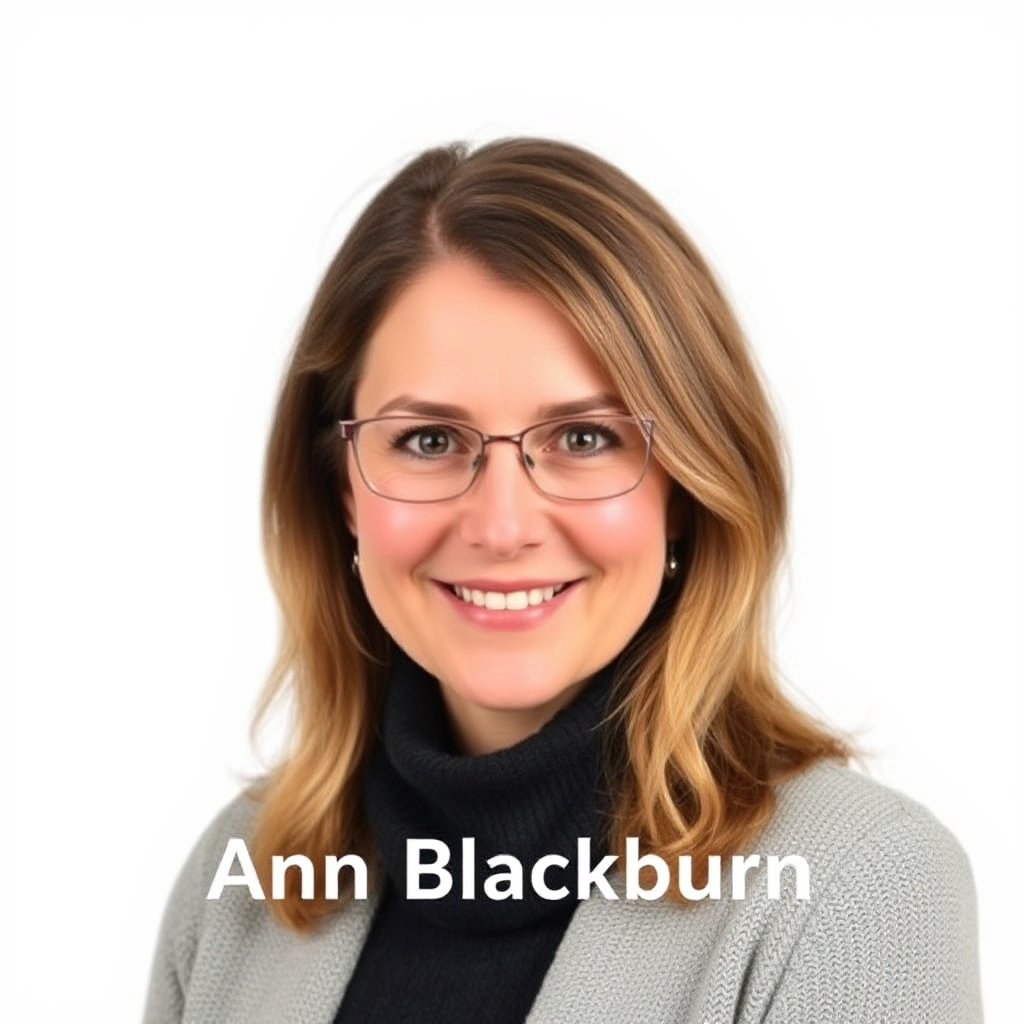
"Once, I attended a youth festival and found myself sitting next to a rival politician. He was holding a pile of 100 baht notes to give away to the children, whereas I had come without gifts. How was I supposed to compete with that?"
Chutiphong Pipoppinyo was among the "orange wave" of youthful hopefuls who surprised Thailand in the previous general election by capturing more seats for the forward-thinking movement than any rival party.
In the recent poll, however, he lost his seat in his constituency of Rayong to a challenger from an traditional power clan which has historically held influential posts there.
"Back then we were akin to a hurricane that overwhelmed and the rival factions could not fight back. They assumed I was just a obscure candidate. The surge of support for Move Forward in the closing stages of that election genuinely persuaded voters to experiment with change."
Now re-branded the People's Party, their expectations that they would improve on their previous results were shattered on the rocks of traditional favor-based structures which have governed local politics in Thailand throughout its recent past.
The outcomes are still not official, and a several election anomalies are being investigated, but that will not alter the final picture: a sharp drop of in excess of 20% in the total of seats won by the People's Party, and a remarkable rise by the traditionalist Bhumjaithai party, expanding its share of seats from 71 in 2023 to an approximate 193 in the 500-seat parliament this year.
'They did not spoke to me again'
After winning his seat in 2023, Chutiphong dedicated himself to his position, touring his district hoping to tackle the issues faced by his neighbours. But he rapidly faced resistance from those working for the long-standing influential figures. Furthermore, he discovered he was required to provide financial support, from money he simply did not have.
"I was invited to a women empowerment event - a regular activity for the locals to join and have fun. But they told me if I wished to come, I must give 25,000 baht. I explained I did not possess that money. They were extremely disappointed about that and claimed I was stingy. I inquired if there was an alternative I could assist. But they never spoke to me again."
What he had encountered was a deep-rooted system of favoritism controlled by a single family.
Rayong is best known as within the Eastern Economic Corridor, Thailand's biggest industrial zone, housing many of the plants which fuel its export-dependent economy. This has attracted outside workers from across the country, and also created an metropolitan populace which is more responsive to the change-oriented platforms of the reformist groups.
In 2023, Move Forward won all five seats there.
But a lot of Rayong is remains rural, the domain of agricultural workers and orchard owners. This is especially the case in District 4, where Chutipong secured his seat. He is a local man, but spent a number of years residing in California. The province has for a long time been dominated by a influential family dynasty, the Pitutecha family. This is what is known in Thailand as "Big House" – big house – politics, and throughout the country it is the method provincial control has historically been exercised.
Pitutechas run much of the municipal administration.
Piya 'Chang' Pitutecha, the current family head, is the selected chief of the Provincial Administration Organisation (PAO), a extremely influential position as the PAO controls the majority of official budgets in Rayong.
Until 2023, Pitutechas had always been counted among the MPs chosen to parliament, with one being the assistant health secretary in Bangkok.
Similar to other "Baan Yai" dynasties they have no fixed affiliation – historically they have stood for multiple political parties. They are also prominent in the area's economy, and, unlike Chutipong, have plenty of money to hand out. It was virtually unfeasible for the first-time MP to challenge.
The "Big House" rely on extensive networks of local agents - local people who know their villages, and who rally voters to vote for their candidate. And although it is officially forbidden, they also hand out money before, during, and after elections. They have always been critical to the success of local politicians, and as a recent, mostly city-based party, the People's Party had did not possess them.
"So I modified my approach," explains Chutipong. "I declared that I would attempt to address all grievances right away. If your water is not flowing, your electricity has failed, your road has damage, I would be there."
"But the locals who contacted me then faced intimidation from the local machine. Some got attacked in the village's online forum or through the PA system in the village. They were charged of introducing me - an intruder they said - into the area."
"When I tried to visit factories after hearing some reports about pollution, I faced a backlash from local communities because they had been accepting payments from these factories."
When it came to the 2026 campaign, the Pitutechas had adapted after their loss in the prior election.
In two key constituencies, they nominated more youthful members of the family, more qualified and with less of patriarchal aura than the senior members. In District 3 they stood under the Democrat party, traditionally their chosen political partner, but in District 4, 34-year-old Chatchai Pitutecha ran under Prime Minister Anutin Charvirakul's Bhumjaithai party, known for its substantial resources and its expertise in recruiting "Baan Yai" for his side.
Chutipong was outmatched.
The Pitutechas regained those positions back from the People's Party, although the progressives retained three seats in Rayong.
"They might have welcomed me if I had given them money, but I would not be able to do that forever considering my modest means. I had to determine whether I would be the representative they expected, or if I would keep my principles and test if the voters would


