


"Parents based in north London seeks an remarkable and qualified instructor to assist their youngest child on his early path to turning into an English gentleman."
Looking at this listing, you might easily miss the wording "first-steps" as simple a turn of phrase.
Yet, it could be the most important part of this unique position posting, as it seeks to recruit a teacher for a 12-month-old.
Many of applications have since been submitted since the unnamed family advertised their call for the £180,000 per year tutor, who needs to be "a uniquely qualified person".
During the past few weeks, the post has attracted attention across the media, with many questioning why?
Innovative Idea
A tutoring expert, chief executive of an education consultancy, which is helping the family in their hunt, said that despite initial doubt, he considered the plan "visionary", and "innovative".
When he met the family, he noted they appreciated the unusual character of their request, and how young their son is.
Nevertheless, they clarified that they "were unwilling to delay any longer" to hire a tutor, as they had postponed until their firstborn was five, and by that point "cultural conditioning had already set in".
But what did the family mean by "cultural leaning"?
It's "all-encompassing", the expert replied. "The manner you eat, the way you speak".
He explained the elder child had picked up "extremely delicate, body language" from the family, and had taken on their cultural norms. The family informed him they hoped to prevent history to happen again with their infant.
The strategy: To hire a UK tutor, who should speak with RP, to guide the baby from day one.
Subtle Influence
"A lot of the education at the start here is somewhat acquired indirectly," explained the CEO.
It's through this osmosis that the family are hoping the child will pick up the UK customs they aim to impart.
The consultant said the tutor had to be somebody who studied at "the right kinds of schools – the same kinds of schools as the family plan to send their son to".
"The educator simply needs to be the suitable individual, they'll be doing things they may not realize they're doing, simply by nature," he said.
Cost Not Relevant
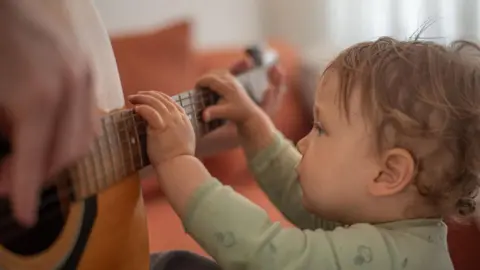
The family explained to Adam the chosen tutor should preferably also have familiarity of or enthusiasm in equestrian activities, alpine skiing, creative fields and music so as to inspire the child in a broad spectrum of hobbies.
Furthermore though, he said the family hoped the tutor to register the child on a variety of lessons so the child would be "horseback riding and learning an musical instrument by the time they are approximately three years old".
In the family's minds, assisting their son become a "UK sophisticate" will lead to achievement and provide access.
"Taking into account the advantages and disadvantages of that, because it's undoubtedly a status symbol," he adds.
But, in spite of all this tutelage in "Britishness", would the child pick up so-called cultural influence from the multicultural family he is raised by anyway?
"Certainly", replied the CEO. "They know this might not succeed, but they've merely embraced the attitude of, 'why not attempt it and we should start as early as we can', because the expense of it is not relevant," he stated.
Idealistic and Unrealistic
There are some in the private teaching field who have those doubts.
Another CEO, chief executive of a tutoring service, who provides personal educators, commented that "the development of becoming bicultural, or in fact, becoming oneself, is something that must be lived into, not manufactured."
Peter wrote that he had moved from the Far East to the Britain at the period of childhood, and had been educated knowing and living two backgrounds. He continued to learn at a prestigious UK institution.

"The notion that one individual can serve as a embodiment of English culture, someone who can somehow transfer the characteristics of a English gentleman upon a infant child, strikes me as idealistic and unrealistic," he stated.
"From my perspective, engaging a typically English tutor from early childhood will not automatically produce the result they want.
"I never had such a figure, and yet I have been lucky enough to experience several of the experiences they hope for their son."
He continued: "The truth is, self-identity can not be dictated from the external environment; it must be selected, and it must be internally driven."
Purchasing UK Culture
Naturally, Britishness is something Adam thinks can be taught – and marketed.
"I think the reality that the international society holds us in this respect is something that we should be cherishing|valuing|appreciating


